

Flooding and erosion are common threats to properties in many parts of Australia, especially during heavy rain events. These natural hazards can cause severe damage to your home, landscaping, and the environment. One of the most effective solutions to prevent such damage is the installation of a soakwell system.
This article explains how a soakwell system works and its role in protecting your home from flooding and erosion.
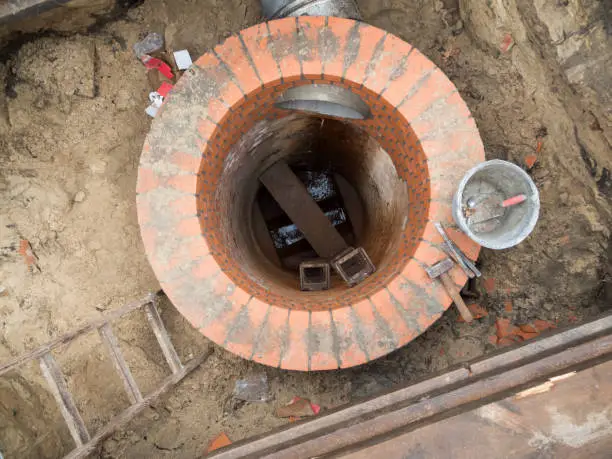
For more detailed guidance on installing a soakwell system, our website provides an important link to the resources you need.
How A Soakwell System Protects Your Home From Flooding
Flooding occurs when rainwater accumulates faster than the ground can absorb it, leading to water pooling around your home. This can cause significant damage to your property, including flooding of basements, weakening of the foundation, and damage to the garden. Here’s how a soakwell system can prevent such problems:
Reduces Surface Water Accumulation
One of the key benefits of a soakwell system is its ability to reduce surface water accumulation. Without a soakwell, rainwater that falls on your roof and driveway would run off and collect around your house. This water could pool near your foundation, potentially causing flooding in your basement or around your garden beds.
A soakwell captures this runoff water and directs it into the ground, ensuring that it doesn’t accumulate in areas where it could cause damage. This is particularly important in regions with heavy rainfall or poor drainage systems.
Prevents Basement Flooding
Basement flooding is a common problem caused by stormwater runoff. When heavy rain occurs, water can easily find its way into your basement, causing damage to the foundation, walls, and contents inside. This problem is often worsened if the surrounding soil cannot absorb the rainwater quickly enough.
A soakwell system can reduce the chances of basement flooding by capturing excess water before it has a chance to reach your foundation. By directing water into the soakwell, the system ensures that the ground can handle the influx of rainwater without overwhelming your home’s structural integrity.
Protects Landscaping And Garden Beds
Flooding doesn’t just affect your home’s structure; it can also wreak havoc on your garden. Waterlogged soil can kill plants, damage trees, and wash away mulch and topsoil. With a soakwell system, water is absorbed into the ground more efficiently, which prevents the garden from becoming waterlogged.
By reducing the volume of surface runoff, soakwell systems ensure that your garden beds remain intact and your plants stay healthy.
Helps Manage Heavy Rainfall Events
In areas prone to intense storms or heavy rainfall, a soakwell system is invaluable for managing the influx of water. When the rainfall is too much for the soil to absorb quickly, excess water can flow into streets and cause flooding.
A soakwell provides a safe location for this excess water to go, reducing the strain on the local drainage system and helping to prevent street flooding. This is particularly important in urban areas where impervious surfaces, such as roads and pavements, prevent natural water absorption.
How A Soakwell System Protects Your Home From Erosion
Erosion occurs when rainwater washes away the topsoil and plants in your garden. Over time, this can lead to the loss of valuable soil, damage to plants, and even structural damage to your property. Here’s how a soakwell can help mitigate the risks of erosion:
Minimises Surface Water Runoff
When rainwater flows over the ground, it can carry away the topsoil, eroding the landscape and weakening your garden beds. This is particularly common in areas with sloping yards, where water can easily flow downhill.
A soakwell system helps reduce this surface runoff by allowing water to soak into the soil gradually. By slowing down the flow of rainwater, a soakwell prevents the soil from being washed away.
Reduces Soil Erosion Around Garden Beds And Slopes
Garden beds and areas with slopes are particularly vulnerable to erosion, as water running off from roofs and paved areas can wash away soil, plants, and mulch. A soakwell system helps prevent this by absorbing water before it can reach these areas.
By directing rainwater into the soakwell, the system ensures that your garden beds remain stable and erosion-free.
Protects Hardscaping Features
Hardscaping elements, such as retaining walls, paths, and patios, can be damaged by erosion when excess water undermines their foundations. Erosion can cause the soil around these features to shift, making them unstable.
A soakwell system reduces the volume of water that flows over the ground, preventing erosion around these structures and ensuring their long-term stability.
Enhances Soil Health
In addition to preventing erosion, soakwell systems can enhance soil health. When water is absorbed into the ground gradually, it provides the soil with much-needed moisture without overwhelming it.
This can help improve the soil’s structure, allowing it to retain nutrients and support plant growth. Healthy soil is less likely to erode and more capable of absorbing water efficiently.
Advantages Of Installing A Soakwell System
Installing a soakwell system offers several advantages for homeowners looking to protect their property from flooding and erosion:
Cost-Effective Solution
A soakwell system is a relatively cost-effective way to manage stormwater runoff compared to other drainage solutions, such as large-scale stormwater infrastructure projects. It is an affordable and efficient way to prevent flooding and erosion around your property.
Easy To Install And Maintain
Soakwell systems are relatively easy to install, especially when compared to other drainage systems. A professional installer will assess your property and determine the best location for the soakwell. Once installed, the system requires minimal maintenance, making it a hassle-free solution for homeowners.
Environmentally Friendly
Soakwell systems help reduce the amount of stormwater runoff that enters local rivers, streams, and oceans. By capturing and filtering rainwater through the ground, the system helps prevent pollution and maintains the health of local ecosystems.
This makes soakwell systems a more sustainable choice for managing stormwater.
Conclusion
A soakwell system is a vital tool in protecting your home from the risks of flooding and erosion. By capturing and absorbing stormwater, it prevents water from accumulating around your home and causing damage to your foundation, basement, and garden. It also reduces surface runoff, which helps protect the surrounding soil and landscaping from erosion.
With its easy installation and minimal maintenance requirements, a soakwell system is a cost-effective and environmentally friendly solution for homeowners looking to safeguard their property from the dangers of excess water.
Frequently Asked Questions
What Is The Main Purpose Of A Soakwell System?
A soakwell system is designed to manage stormwater by capturing excess rainwater and allowing it to absorb into the ground gradually. It helps prevent flooding by reducing surface runoff around your property and protects your landscaping from erosion. Soakwells provide an effective solution for managing rainwater in areas prone to heavy storms.
How Long Does A Soakwell System Last?
A well-maintained soakwell system can last for many years, typically between 10 to 30 years, depending on the material used and local conditions. Concrete soakwells tend to have a longer lifespan, while plastic units may need to be replaced sooner. Regular inspections and cleaning help ensure that the system functions properly and lasts longer.
Can I Install A Soakwell System Myself?
While it is possible for a DIY enthusiast to install a soakwell system, it is generally recommended to hire a professional. Proper installation requires knowledge of local regulations, drainage needs, and soil conditions to ensure the system functions effectively. Professionals also ensure that the soakwell is placed in the right location for optimal water absorption.