

Choosing the perfect timber for your outdoor deck involves evaluating several factors, such as durability, aesthetic appeal, maintenance requirements, and the specific climate conditions of your area. Whether you’re building a new deck or replacing an old one, selecting the right timber is crucial for ensuring a deck that will stand the test of time and look great.
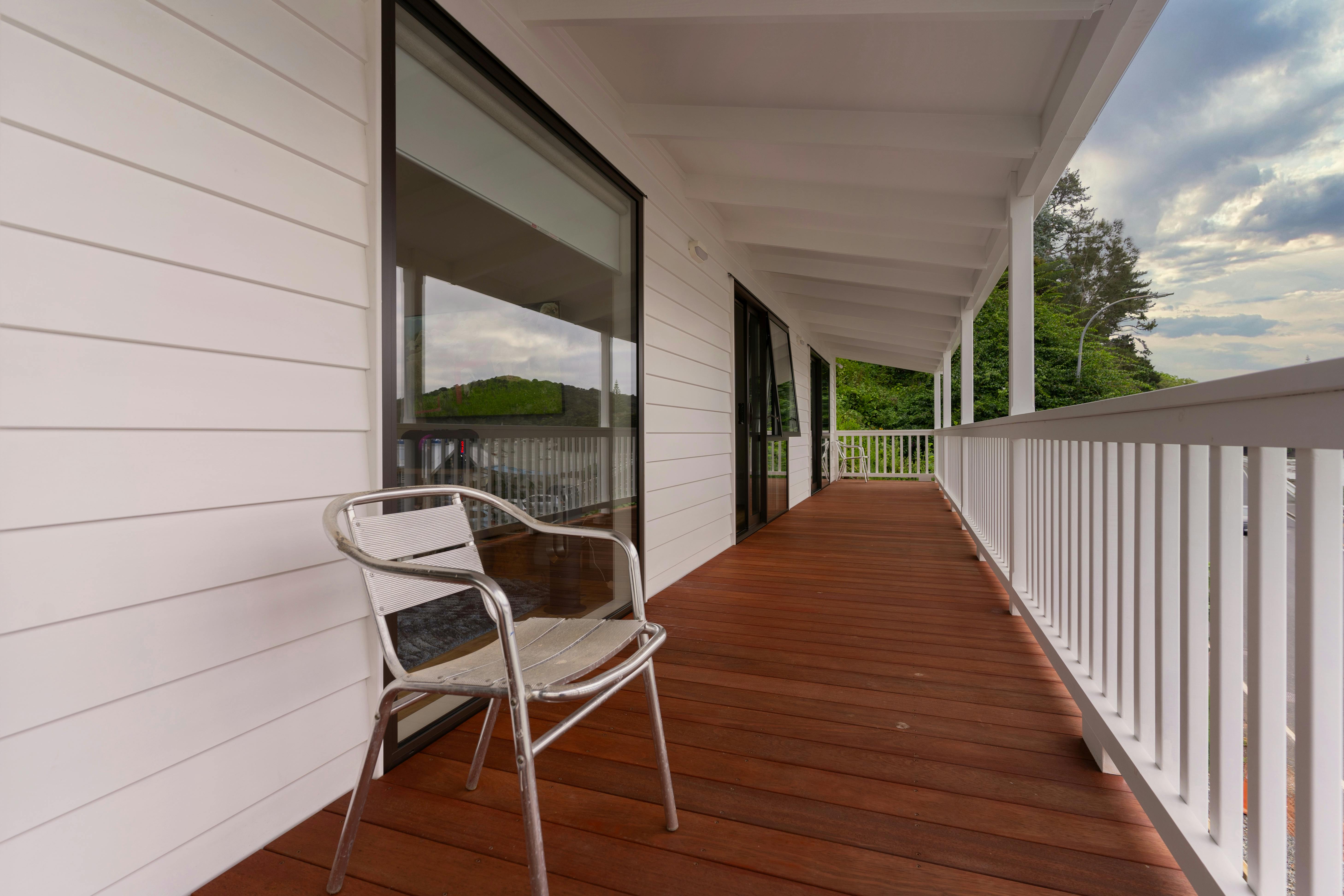
If you need expert advice on choosing the right materials, our experienced deck builders can help guide you through the selection process.
Understand Your Needs And Preferences
Before you start shopping for timber, you need to understand your specific needs. These needs can range from how the deck will be used to how much maintenance you’re willing to carry out, and your personal aesthetic preferences. Here are some points to consider when figuring out your needs:
Functionality
Consider the primary use of your deck. Will it be a high-traffic area used frequently for entertaining guests, or will it be more of a quiet, serene outdoor space? High-traffic areas will require more durable timber, while low-traffic spaces may afford you more flexibility in your timber choice.
Appearance
The visual impact of your deck will largely depend on the type of timber you select. Hardwood timbers often provide richer colours and natural patterns, whereas softwoods may offer a lighter, more neutral appearance. Think about how the colour of the timber will complement your home’s exterior and landscaping.
Maintenance
Some timber types require more upkeep than others. Hardwoods tend to be more durable and require less frequent maintenance, while softwoods may need regular treatments, such as oiling or staining, to maintain their appearance.
Choose The Right Type Of Timber
Timber for decking comes in three primary types: hardwoods, softwoods, and composite timber. Each has distinct advantages and disadvantages depending on your needs and budget.
Hardwood Decking
Hardwood timber is a top choice for decking due to its natural strength, durability, and resistance to outdoor conditions. Here are some of the most common hardwood options for decking:
Australian Hardwood
- Spotted Gum: This timber is known for its striking appearance, featuring varied colour tones from light brown to dark reddish hues. It is extreme and resistant to termites and moisture.
- Blackbutt: This hardwood is light in colour with a subtle grain pattern, making it an excellent choice for both modern and traditional homes. It’s known for its durability and fire resistance, making it an ideal option for homes in bushfire-prone areas.
- Ironbark: One of the hardest timbers available, Ironbark is extremely durable and resistant to wear, making it suitable for high-traffic areas. It also has a distinctive reddish-brown colour that enhances its aesthetic appeal.
Hardwood decking typically requires less maintenance than softwood decking, as it is naturally more resistant to pests and decay. However, hardwoods can be more expensive upfront.
Softwood Decking
Softwoods are generally less durable than hardwoods, but are more affordable and can still serve as a good choice if treated correctly. Some popular softwood options for decking include:
Treated Pine
Treated pine is a common choice for decking because of its affordability and availability. The timber is pressure-treated with chemicals to help protect it from termites and decay. While not as durable as hardwoods, treated pine offers good resistance to outdoor conditions when properly maintained.
Cypress
Cypress timber is a naturally durable softwood with high resistance to termites and decay. It has a pale yellow colour with subtle grain patterns, making it an excellent option for those seeking a more rustic or natural aesthetic.
Softwood decking generally requires more maintenance than hardwoods, as it can be prone to damage from moisture and weathering over time. Regular oiling and staining can protect the timber and keep it looking its best.
Composite Timber Decking
Composite decking is made from a combination of wood fibres and plastic, creating a low-maintenance alternative to natural timber. Composite decking is resistant to moisture, fading, and termites, making it a suitable choice for areas with harsh weather conditions.
Benefits Of Composite Decking
- Low Maintenance: Unlike hardwood and softwood, composite timber does not require regular staining or sealing. A simple cleaning with soapy water is usually sufficient.
- Durability: Composite timber is highly durable and resistant to pests, moisture, and fading, which makes it ideal for outdoor use.
- Eco-Friendly: Many composite decking materials are made from recycled wood fibres and plastics, making them a more sustainable choice for eco-conscious homeowners.
While composite timber offers several benefits, its appearance may not appeal to those looking for the natural beauty of wood. Additionally, composite timber can be more expensive than softwood but is typically more affordable than hardwoods.
Consider Climate And Environmental Conditions
When selecting timber for your deck, it’s essential to consider the climate and environmental conditions of your location. This is especially important for areas like Melbourne, which experiences variable weather patterns.
The right timber should be able to withstand Melbourne’s hot summers and cold, wet winters. Here’s a breakdown of how different timbers perform in various climates:
Hardwoods In Melbourne’s Climate
Hardwoods like Spotted Gum, Blackbutt, and Ironbark are excellent choices for Melbourne due to their resilience in varying weather conditions. These timbers can handle Melbourne’s summer heat and winter rain while maintaining their appearance and structural integrity.
Softwoods In Melbourne’s Climate
While softwoods like treated pine and cypress are suitable for Melbourne’s climate, they may require additional care to protect against moisture and pests. If you choose a softwood for your deck, ensure that it is adequately treated and regularly maintained.
Composite Decking In Melbourne’s Climate
Composite decking is a fantastic option for Melbourne due to its low maintenance and resistance to weather conditions. Since composite decking does not absorb moisture, it is less likely to warp or crack in response to Melbourne’s fluctuating weather patterns.
Consider Maintenance Requirements
Each type of timber has different maintenance needs, and it’s essential to factor in how much time and effort you’re willing to put into maintaining your deck.
Hardwood Decking Maintenance
Hardwood decks generally require less maintenance than softwood decks, but still need some care to keep them in top condition. For instance, hardwood decks should be resealed or oiled every few years to maintain their colour and finish.
Softwood Decking Maintenance
Softwood decks are more prone to wear and tear from the elements and typically need more frequent maintenance. Regular cleaning, oiling, and resealing are necessary to prevent the wood from cracking, splintering, or becoming discoloured.
Composite Decking Maintenance
Composite decking is the lowest-maintenance option. It requires minimal upkeep, usually only needing a wash with soapy water to keep it clean. However, the colour may fade over time, and the surface can become scratched.
Conclusion
Choosing the perfect timber for your outdoor deck is a decision that requires careful consideration of several key factors, including durability, aesthetics, maintenance requirements, cost, and local climate. Whether you choose hardwood, softwood, or composite timber, it’s essential to choose a material that suits both your style and your functional needs.
In Melbourne’s variable climate, hardwoods like Spotted Gum and Blackbutt, or composite decking, offer the best longevity and performance. Make sure to factor in your budget and the level of maintenance you’re willing to commit to when making your final choice.
Frequently Asked Questions
What Is The Best Timber For Outdoor Decking In Melbourne’s Climate?
The best timber for outdoor decking in Melbourne’s climate includes Australian hardwoods like Spotted Gum and Blackbutt. These timbers are highly durable and resistant to moisture, termites, and the fluctuating temperatures that Melbourne experiences. Hardwoods provide a long-lasting and aesthetically appealing option for decking in this region.
How Often Should I Maintain My Timber Deck?
The maintenance frequency for timber decks depends on the type of timber. Hardwood decks generally require maintenance every 2-3 years, such as resealing or oiling, while softwood decks need more frequent care, often once a year. Composite decking is the least maintenance-intensive, requiring only an occasional wash with soapy water.
Is Composite Decking A Good Choice For My Outdoor Deck?
Yes, composite decking is a great choice for outdoor decks, particularly for those looking for low maintenance and durability. It is resistant to moisture, fading, and pests, making it a long-lasting option for any climate. While it may not possess the natural beauty of timber, it offers a convenient and eco-friendly alternative.