

Electrical systems are the backbone of any home or business, powering everything from lights to appliances and ensuring operations run smoothly. Maintaining your electrical system in good shape is essential to functioning efficiently and avoiding costly repairs or dangerous issues. This article will provide expert advice and practical tips on how to keep your electrical systems in top condition.
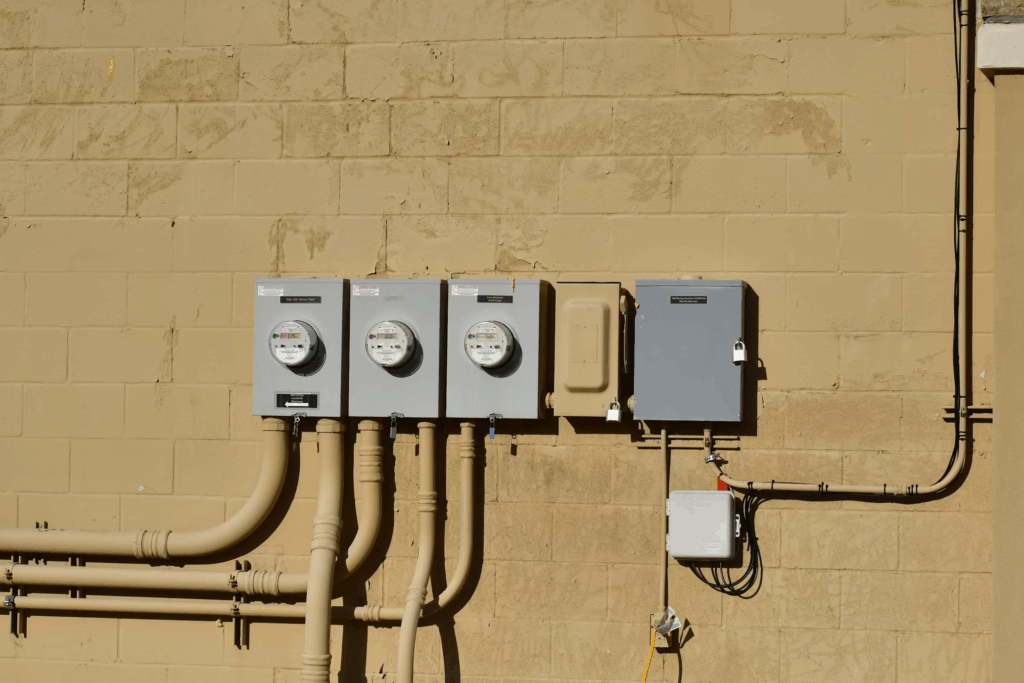
Regular electrical testing is crucial to ensure the safety and reliability of your electrical system.
Regular Inspections Are Key
One of the smartest ways to keep your electrical system in shape is to have regular inspections. This proactive step helps to identify potential issues early before they become costly problems or safety hazards.
Professional Inspections
Hiring a licensed electrician for regular inspections is an excellent way to ensure your system is in good condition. Experts recommend having a professional check your system every few years. An electrician will examine wiring, outlets, and circuit breakers to ensure everything functions.
- Check for damaged wires or wear and tear
- Ensure outlets and switches are secure
- Inspect circuit breakers for correct operation
By having a professional conduct regular inspections, you can spot issues that may not be immediately visible or obvious.
DIY Inspections
While it’s essential to have a professional handle detailed inspections, there are some checks you can do yourself to ensure your system is functioning correctly. Look out for signs of electrical issues in your home or business.
- Flickering or dimming lights
- Burning smells or scorch marks on outlets
- Tripping circuit breakers or blown fuses
These signs could indicate an underlying electrical problem that needs to be addressed immediately.
Keep Circuit Breakers And Fuses In Check
Circuit breakers and fuses protect your electrical system from overloads and short circuits. Keeping them in good condition is crucial for the safety of your property.
Proper Use Of Circuit Breakers
Always ensure you use your electrical appliances and devices according to the manufacturer’s instructions to avoid overloading circuits. Overloading a circuit can cause the breaker to trip or lead to a fire.
- Do not overload power strips.
- Avoid plugging in multiple high-power devices into one circuit
- Use appliances and devices that are rated for your system’s capacity
Replacing Old Or Faulty Fuses
If you live in an older home or building, it may still have a fuse-based electrical system. Replacing old or faulty fuses with modern circuit breakers is one of the best ways to keep your electrical system in shape.
Old fuses can be unreliable and prone to failure, leaving your system vulnerable. Consult an electrician if you are unsure of your fuses or circuit breakers.
Upgrade Your Wiring And Electrical System
Old, outdated wiring can pose serious risks to the safety and efficiency of your electrical system. Upgrading the wiring when necessary is one of the best ways to keep it in top shape.
When To Consider An Upgrade
If your home or business was built many years ago, it’s important to assess the condition of the wiring. Older homes may have outdated wiring that doesn’t meet modern electrical demands.
- Look out for frayed, exposed, or damaged wires
- If the system frequently trips breakers or blows fuses
- Homes built before 1950 may have outdated wiring that no longer meets modern standards
Benefits Of Upgrading Wiring
Upgrading your electrical system to meet modern standards can improve safety, energy efficiency, and overall performance. Newer wiring is designed to handle higher loads and is less prone to wear and tear.
- Improves safety by reducing fire hazards
- Increases energy efficiency
- Helps prevent electrical surges or damage to appliances
Protect Your System From Electrical Surges
Electrical surges can occur due to lightning strikes, power outages, or malfunctioning appliances. These surges can damage sensitive electronic devices, appliances, and electrical systems. Protecting your electrical system from surges is essential to ensure its longevity.
Install Surge Protectors
Installing surge protectors is one of the best ways to shield your electrical system from potential damage. Surge protectors redirect excess electrical energy, preventing it from reaching sensitive equipment.
- Use whole-house surge protectors to protect your entire system
- Install individual surge protectors for sensitive devices such as computers, televisions, and home entertainment systems
Surge protectors can help extend the life of your electronics and prevent costly repairs.
Unplug Devices During Storms
Another simple way to protect your electrical system from surges is to unplug devices during storms or when not in use. Lightning strikes can send powerful surges through the electrical grid, so unplugging electronics during a storm is an easy way to avoid damage.
Keep Electrical Panels Accessible And Clean
Your electrical panel is the heart of your home or business’s electrical system, controlling the flow of electricity throughout the property. Keeping your electrical panel clean and accessible is essential for maintenance and safety.
Avoid Blockages Around The Panel
Ensure that there is enough space around your electrical panel for easy access. Avoid storing items in front of the panel or blocking it with furniture, as this can impede your ability to access it quickly in an emergency.
- Maintain a clear, accessible area around the panel
- Check the panel regularly for signs of damage or wear
Clean The Panel And The Area Around It
Dirt, dust, and debris can build up around your electrical panel, affecting its functionality and causing overheating. Regularly cleaning the area can help keep it in good condition.
- Use a vacuum or a dust cloth to remove dust and debris
- If you see rust or corrosion, contact a professional for cleaning and maintenance
Install A Backup Power Source
A backup power source is one of the most reliable ways to keep your electrical system in good shape. A backup generator can ensure your home or business has electricity during power outages.
Types Of Backup Power Sources
There are several backup power options, including portable and standby generators.
- Portable Generators: These can be moved around and used during an emergency. They are ideal for short-term power needs.
- Standby Generators: Installed permanently, these generators can automatically power your home during an outage.
Benefits Of Backup Power
A backup power source can provide peace of mind during storms or other emergencies. It ensures you won’t be left without electricity, which can be especially important for homes with medical equipment or businesses relying on continuous power.
Educate Your Household Or Employees
Educating those who use the electrical system in your home or business is an often-overlooked yet essential aspect of keeping the system in good shape.
Safety Practices To Follow
Ensure everyone in your household or business knows how to use electrical appliances safely.
- Never overload circuits or power strips
- Avoid using electrical devices with damaged cords
- Be mindful of the signs of electrical problems, such as tripped breakers or flickering lights.
Teach Basic Electrical Knowledge
It’s also a good idea to teach basic electrical knowledge, such as how to reset a tripped breaker and when to call a professional. This knowledge can prevent panic in emergencies and help people handle minor electrical issues independently.
Conclusion
Maintaining your electrical system in good condition is essential for safety, efficiency, and reliability. By conducting regular inspections, keeping circuit breakers and fuses in check, upgrading wiring, protecting your system from surges, and ensuring the electrical panel is clean and accessible, you can keep your electrical system running smoothly for years.
Proactive steps like installing surge protectors and backup power sources will further safeguard your property and electronics. Educating your family or employees on electrical safety and proper system usage will also go a long way in preventing electrical issues.
Frequently Asked Questions
How Often Should I Have My Electrical System Inspected?
It is recommended that your electrical system be inspected by a professional at least every 3-5 years, depending on the age of your home and its electrical system. However, you should schedule an inspection immediately if you notice signs like tripping circuit breakers, flickering lights, or burning smells. Regular inspections help identify issues before they become serious problems.
What Are The Signs That My Electrical System Needs An Upgrade?
If your home is using outdated wiring, such as knob and tube or aluminum wiring, or if your system frequently trips circuit breakers or blows fuses, it may be time to consider an upgrade. Homes built before the 1970s may also need an upgrade to meet modern electrical demands. A licensed electrician can evaluate your system and recommend necessary upgrades.
How Can I Protect My Electrical System From Power Surges?
The best way to protect your electrical system from power surges is by installing surge protectors at the individual device level and as a whole-house unit. You can also unplug sensitive electronics during storms or when not in use. These precautions will help prevent damage to your appliances and electrical system during unexpected power surges.