

Walls and ceilings naturally experience wear over time as buildings settle, materials expand and contract, and everyday use affects interior surfaces. Even well-constructed homes and commercial properties can eventually develop cracks in plaster due to structural movement, moisture changes, ageing materials, or environmental conditions.
While small cracks may initially appear harmless, they can gradually grow larger, affect visual appearance, weaken surfaces, and sometimes indicate deeper structural concerns if left untreated. This is why crack repair plastering remains one of the most important maintenance and restoration services for preserving the strength, durability, and appearance of interior and exterior surfaces.
Crack repair plastering involves restoring damaged plaster walls and ceilings by repairing visible cracks, reinforcing weakened areas, smoothing surfaces, and preventing future deterioration. Professional plasterers use specialised repair techniques, joint compounds, reinforcement materials, fillers, and finishing methods to restore walls so they appear smooth, stable, and visually consistent once again.
Whether the issue involves hairline cracks, settlement cracks, ceiling movement, water damage, or structural stress, quality plaster repair helps improve both the appearance and performance of the surface.
One of the most common questions homeowners ask after noticing damaged walls is: Can you repair a crack in plaster? In many cases, the answer is yes. Most plaster cracks can be repaired successfully, depending on the severity and underlying cause of the damage.
Minor cosmetic cracks may require surface filling and sanding, while larger structural cracks may need reinforcement mesh, deeper repair work, or investigation into building movement before restoration begins. Professional plaster repair focuses not only on covering visible cracks but also on strengthening the affected area to reduce the risk of recurring damage.
Crack repair plastering is important because cracked walls and ceilings can affect more than aesthetics alone. Cracks may allow moisture intrusion, weaken structural integrity, reduce insulation performance, and lower property value if ignored for long periods. Proper repair work helps restore clean interior finishes while protecting the long-term condition of the building.
This article explores Crack Repair Plastering in detail, explains how cracks in plaster can be repaired, discusses the common causes of plaster cracking, and highlights the methods, materials, and professional techniques used to restore damaged plaster surfaces successfully.
Why Plaster Cracks Develop Over Time
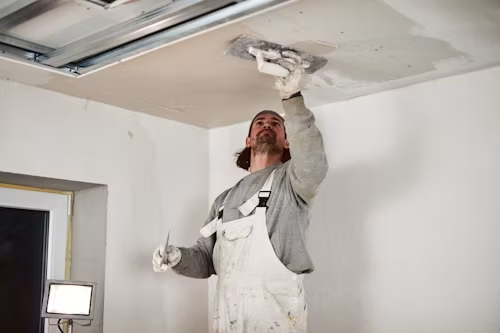
Buildings constantly respond to environmental changes, structural loads, moisture conditions, and temperature fluctuations. Even newly constructed homes may experience some level of movement as foundations settle and construction materials adjust over time.
Plaster surfaces are particularly vulnerable to movement because they cover large wall and ceiling areas. As buildings shift slightly, stress can transfer through plaster systems and eventually create visible cracks. Minor cracks are often cosmetic, while larger cracks may indicate more serious structural concerns.
Moisture is another major cause of plaster cracking. Water leaks, humidity changes, roof damage, and rising damp can weaken plaster materials and create expansion or separation within wall surfaces. Older plaster may also become brittle and more prone to cracking as it ages.
Poor installation techniques can also contribute to cracking problems. Weak jointing, inadequate reinforcement, rushed drying times, or low-quality materials may increase the likelihood of future plaster damage.
Although cracks are common in both modern and older buildings, professional crack repair plastering can often restore the affected surfaces effectively while improving long-term durability.
Understanding Crack Repair Plastering
Crack repair plastering restores damaged wall and ceiling surfaces professionally.
Cosmetic Surface Repairs
Minor cracks are patched and smoothed carefully.
Structural Crack Reinforcement
Larger cracks may require strengthening materials.
Surface Refinishing
Repairs improve the overall wall and ceiling appearance.
Long-Term Stability Improvements
Professional methods help reduce future cracking risks.
Can You Repair a Crack in Plaster
Most plaster cracks can be repaired successfully, depending on the cause and severity.
Hairline Crack Repairs
Small surface cracks are often cosmetic and manageable.
Settlement Crack Restoration
Building movement cracks may require reinforcement techniques.
Ceiling Crack Repairs
Ceiling movement and sagging can often be repaired professionally.
Water-Damaged Plaster Repairs
Moisture-related cracks may require deeper restoration work.
Common Causes of Plaster Cracks
Understanding the cause helps determine the correct repair method.
Structural Movement
Natural settling creates stress within plaster surfaces.
Temperature Expansion and Contraction
Seasonal changes affect building materials over time.
Moisture and Water Damage
Leaks weaken plaster and contribute to surface cracking.
Ageing Plaster Materials
Older plaster naturally becomes more brittle.
Poor Original Workmanship
Weak installation methods may lead to premature cracking.
Foundation Shifting
Significant structural movement may create large visible cracks.
Types of Plaster Cracks
Different crack patterns may indicate different problems.
Hairline Surface Cracks
Thin cracks are often cosmetic and superficial.
Settlement Cracks
Movement cracks commonly appear near corners and joints.
Ceiling Cracks
Ceiling movement may cause visible linear cracking.
Stress Cracks Around Doors and Windows
Structural pressure often affects opening areas first.
Water-Damaged Cracks
Moisture exposure weakens plaster surfaces significantly.
Structural Separation Cracks
Large cracks may indicate serious movement concerns.
Hairline Crack Repair Techniques
Hairline cracks are among the most common plaster problems.
Cleaning and Preparing the Surface
Loose plaster should be removed before repairs begin.
Applying Flexible Fillers
Flexible compounds help accommodate future movement.
Sanding Smoothly
Proper sanding improves paint finish quality.
Repainting and Surface Blending
Finished repairs should match surrounding surfaces carefully.
Repairing Larger Plaster Cracks
Larger cracks require more extensive restoration methods.
Opening and Cleaning the Crack
Damaged plaster edges should be stabilised first.
Installing Reinforcement Tape or Mesh
Reinforcement materials strengthen repaired areas effectively.
Applying Multiple Repair Layers
Layered compounds improve long-term durability.
Final Levelling and Refinishing
Smooth finishing restores visual consistency successfully.
Ceiling Crack Repair Plastering
Ceiling cracks require special attention due to safety concerns.
Identifying Structural Movement
Ceiling cracks may relate to framing or roof issues.
Reinforcing Sagging Areas
Loose plaster ceilings may need additional support.
Repairing Water-Damaged Ceilings
Roof leaks frequently damage plaster ceilings.
Creating Smooth Ceiling Finishes
Professional repairs improve the overall room appearance significantly.
Water Damage and Plaster Cracks
Moisture remains one of the most damaging factors for plaster surfaces.
Roof Leak Damage
Water infiltration weakens ceilings and upper walls.
Plumbing and Pipe Leaks
Hidden leaks may damage plaster internally over time.
Rising Damp Problems
Ground moisture affects lower wall sections frequently.
Mould and Surface Deterioration
Moisture issues can affect indoor air quality and wall stability.
Traditional Plaster Crack Repairs
Older homes often require specialised repair techniques.
Lime Plaster Restoration
Traditional plaster systems require compatible repair materials.
Heritage Surface Preservation
Repairs should maintain the original architectural character.
Decorative Feature Restoration
Cornices and mouldings may require detailed repair work.
Matching Historic Textures
Traditional finishes should blend naturally with existing surfaces.
Modern Plasterboard Crack Repairs
Modern plasterboard systems use different repair methods.
Joint Tape Reinforcement
Mesh tape strengthens weak plasterboard seams.
Flexible Joint Compounds
Modern compounds improve crack resistance.
Surface Sanding and Smoothing
Professional finishing improves paint appearance.
Ceiling Joint Repairs
Plasterboard ceilings commonly develop seam cracks over time.
Decorative Plaster Crack Repairs
Decorative plaster requires careful restoration techniques.
Ornamental Cornice Repairs
Decorative ceiling edges may crack with movement.
Feature Wall Restoration
Textured finishes require specialised repair methods.
Decorative Ceiling Detail Repairs
Older decorative plaster often needs preservation work.
Maintaining Architectural Consistency
Repairs should preserve the original visual style carefully.
Structural Issues and Plaster Cracking
Some cracks may indicate deeper structural concerns.
Foundation Movement
Significant movement may affect wall stability.
Roof and Ceiling Framing Issues
Structural stress can transfer through plaster surfaces.
Building Settlement
New homes sometimes experience natural adjustment cracking.
When Structural Assessment Is Necessary
Large recurring cracks may require engineering inspection.
Common Crack Repair Mistakes
Poor repairs may cause cracks to reappear quickly.
Covering Cracks Without Reinforcement
Surface fillers alone may fail over time.
Ignoring Underlying Movement Causes
Structural issues should be addressed before repairs.
Using Incorrect Repair Products
Incompatible materials may shrink or separate later.
Poor Sanding and Finishing
Uneven repairs remain highly visible after painting.
Benefits of Professional Crack Repair Plastering
Professional repairs improve both appearance and durability.
Smoother Wall and Ceiling Surfaces
Experienced plasterers create seamless finishes effectively.
Better Long-Term Stability
Proper reinforcement reduces future cracking risks.
Improved Property Presentation
Clean walls improve the overall interior appearance significantly.
Protection Against Further Damage
Timely repairs help prevent worsening structural problems.
Crack Repairs in Commercial Buildings
Commercial interiors also experience plaster cracking.
Office Wall Restoration
Professional repairs maintain workplace presentation.
Retail Fit-Out Maintenance
Smooth walls support customer-facing environments.
Hospitality and Hotel Repairs
Appearance standards remain important in public venues.
High-Traffic Commercial Durability
Commercial walls require stronger repair systems.
Preventing Future Plaster Cracks
Preventive maintenance helps reduce recurring damage.
Address Moisture Problems Quickly
Leaks should never remain untreated.
Monitor Structural Movement
Early repairs prevent larger damage later.
Use Flexible Quality Materials
Modern compounds improve crack resistance significantly.
Schedule Regular Property Inspections
Routine maintenance helps identify issues early.
Choosing Professional Crack Repair Plasterers
Experienced professionals improve repair quality substantially.
Knowledge of Different Plaster Systems
Different buildings require different repair methods.
Accurate Problem Assessment
Professionals identify both cosmetic and structural issues.
High-Quality Surface Finishing
Smooth repairs improve painting and decorating results.
Reliable Long-Term Solutions
Professional methods improve repair durability over time.
Budgeting for Crack Repair Plastering
Several factors influence repair costs.
Crack Size and Severity
Larger cracks require more labour and materials.
Ceiling vs Wall Repairs
Ceiling work often involves additional complexity.
Decorative Surface Restoration
Ornamental repairs increase labour requirements significantly.
Structural Investigation Requirements
Major movement issues may require specialist assessment.
Future Trends in Crack Repair Plastering
Repair methods continue evolving with modern technology.
Flexible Crack-Resistant Materials
Modern products improve durability significantly.
Advanced Moisture Detection Tools
Technology helps identify hidden water problems earlier.
Sustainable Repair Products
Eco-friendly plaster compounds continue gaining popularity.
Improved Reinforcement Systems
Modern mesh materials strengthen repairs more effectively.
Frequently Asked Questions
Can you repair a crack in plaster?
Yes, many plaster cracks can be repaired successfully using fillers, reinforcement mesh, plaster compounds, sanding, and professional finishing techniques depending on the severity and cause.
What causes plaster cracks?
Common causes include structural movement, temperature changes, moisture damage, ageing materials, poor workmanship, and foundation settling.
When should plaster cracks be professionally inspected?
Large, recurring, or widening cracks should be assessed professionally because they may indicate deeper structural concerns.
Conclusion
Crack repair plastering plays an important role in maintaining the strength, appearance, and long-term condition of interior and exterior wall surfaces. From hairline cracks and ceiling movement to water damage and structural stress, many plaster issues can be repaired successfully using professional restoration techniques.
Understanding that cracks in plaster can often be repaired effectively also helps homeowners address problems early before they become more serious or expensive. Whether restoring decorative plaster features, reinforcing ceilings, repairing modern plasterboard systems, or resolving moisture-related damage, quality crack repair improves both visual presentation and structural reliability.
A professionally repaired plaster surface offers far more than cosmetic improvement alone. It strengthens weakened areas, restores smooth finishes, protects against further deterioration, and helps create safer, cleaner, and more visually appealing living and working environments for many years to come.